• Proper pre-operative preparation — including fasting, bloodwork, and medication review — is one of the most effective ways to reduce surgical risk for your pet.
• Knowing what to expect before, during, and after the procedure helps reduce stress for both the pet and the owner.
• Noblesville pet owners have access to a full-service surgical facility that handles everything from routine spays and neuters to moderately complex procedures.
Scheduling a surgical procedure for a dog or cat raises immediate practical questions: what steps should be taken beforehand, what will the clinic handle on the day, and how should recovery be managed at home? The answers follow a clear, evidence-based framework that any pet owner in the Noblesville area can apply.
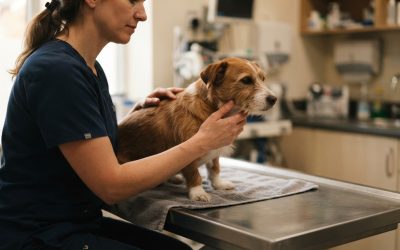
When a veterinarian recommends veterinary surgery Noblesville IN, the preparation process begins well before the scheduled date. Before surgery, a thorough exam and diagnostic tests confirm that the pet is fit for the procedure; once cleared, a customized pain management plan using safe anesthetics is developed, and technicians monitor vital signs closely throughout.
Pre-Operative Steps Every Pet Owner Should Take
Preparing a dog or cat for surgery is one of the best ways to support a safe procedure and smooth recovery. Following fasting instructions, completing recommended tests, reviewing medications, and preparing the home in advance can help reduce stress and improve the overall surgical experience.
Pre-Surgery Checklist
• Schedule a pre-operative exam if one has not been completed recently
• Confirm fasting instructions with the clinic — typically no food after midnight before a morning procedure
• Bring a complete list of current medications and supplements
• Arrange a responsible adult to drive the pet home after discharge
• Prepare a quiet, confined recovery space at home before the appointment
The pre-operative exam gives the veterinarian an opportunity to review the pet’s history and prescribe any needed pre-surgery bloodwork. These checks assess organ function and reduce anesthesia risk.
Anesthesia relaxes muscles, including those that prevent stomach contents from entering the lungs. If a pet eats before surgery, there is a risk of vomiting and aspiration pneumonia. This is why fasting compliance is treated as a non-negotiable step by surgical teams.
Understanding Anesthesia Monitoring Standards
Anesthesia safety has received renewed attention at the national level. The 2025 revision of the ACVAA Small Animal Monitoring Guidelines represents a significant advancement in patient safety and anesthetic care. Developed by ACVAA diplomates and members of the North American Veterinary Anesthesia Society, the 2025 guidelines include updates in hemodynamic, respiratory, and thermoregulatory monitoring, along with expanded recommendations for neuromuscular blockade monitoring, enhanced personnel protocols, and detailed record-keeping practices, including the use of checklists for patient safety.
Pet owners can reference the American College of Veterinary Anesthesia and Analgesia 2025 guidelines to understand what a well-equipped surgical team should be monitoring during any procedure. Most pet owners focus on the surgical procedure when considering costs and often do not realize the associated importance of advanced monitoring. As one specialist noted, “anesthesia is where things can go wrong fast” and “deserves as much attention as the surgery itself.”
What to Expect on the Day of Surgery
The following table outlines the typical phases of a veterinary surgical visit and what the pet owner’s role is at each stage.
| Phase | Clinic Responsibility | Owner Responsibility |
| Pre-operative | Physical exam, bloodwork review, anesthesia planning | Confirm fasting, bring medication list |
| Intraoperative | Vital sign monitoring, pain management | Stay reachable by phone |
| Recovery | Supervised warming, pain assessment | Arrange safe transport home |
| Post-operative | Discharge instructions, follow-up plan | Prepare quiet recovery space |
After surgery, the pet recovers in a warm, comfortable recovery area under close monitoring. The team provides aftercare instructions and pain management plans for a smooth recovery at home.
If a pet is on medication for conditions such as diabetes, arthritis, or heart disease, the veterinarian should be asked whether it should be given on surgery day. Medications should never be stopped or changed without professional guidance.
Frequently Asked Questions
Can my pet drink water the morning of surgery? Most adult pets can have water until two to four hours before their procedure. The exact cutoff should always be confirmed with the clinic, as some surgical procedures require stricter restrictions.
What if my pet accidentally eats before surgery? If a pet accidentally eats, the clinic should be notified immediately. Depending on the amount consumed and the timing, the procedure may need to be rescheduled to protect the pet’s safety.
What types of surgery are typically available at a full-service clinic? Routine veterinary surgeries commonly include spay and neuter procedures, dental surgery, and other routine and moderately complex procedures for dogs and cats.
How should the home be prepared before the pet returns from surgery? Preparing a quiet recovery area at home before the appointment is one of the most practical steps an owner can take. Limit stairs, remove trip hazards, and keep other household pets separated during the initial recovery period.
Schedule a Surgical Consultation in Noblesville
Pet owners in the Noblesville area who have questions about an upcoming procedure or want to discuss surgical options for their dog or cat are encouraged to contact Noah’s Animal Hospital North & Urgent Care. Pet vaccination, preventive care, and dentistry cover the everyday side; veterinary surgery and spay and neuter procedures are available when something bigger comes up, and urgent vet care is there for the visits that cannot wait. Reaching out before surgery day — with questions, medication lists, and a clear understanding of fasting instructions — is the single most effective action a pet owner can take to support a safe outcome.